PORTFOLIO VALUE CREATION PARTNERSHIP

Turn the investment thesis into operating results.

GrowthMastery helps funds, holding companies, family offices and venture platforms select a high-readiness portfolio company, deploy the Enterprise Growth Engine against the constraint suppressing the most value, and make progress visible to management, the sponsor and the board. Start with one pilot. Standardize what proves itself.

45 minutes. Bring one portfolio company or the portfolio-level view.

Built to work alongside operating partners, management teams and existing specialists.

THE ALLOCATOR REALITY

The capital is deployed. The constraint is execution capacity.

  • Value-creation plans exceed management bandwidth.
  • Operating partners cannot personally run every transformation.
  • Commercial reporting differs company to company.
  • AI adoption is fragmented across tools and teams.
  • Board packs describe the past rather than direct the next intervention.
  • Each company assembles a different mix of disconnected specialists.
  • Learning from one intervention rarely becomes reusable portfolio infrastructure.
  • Founder and key-person dependency can persist long after investment.

THE OPERATING INTEGRATION GAP

The thesis may be right. Management may be capable. The specialists may be strong. The data may exist. Value still leaks when strategy, people, systems, data and execution do not operate through one accountable architecture. Founder dependence is one expression of the gap - it is not the only one.

The missing asset is not another recommendation. It is a repeatable execution capability.

THE OPERATING MODEL

You already have the investment context. We add the execution and intelligence layer.

WE ARE ADDED CAPACITY, NOT COMPETITION.

Management keeps accountability. The sponsor keeps governance. GrowthMastery adds the connective architecture and execution capacity. The operating partner keeps the relationship and the mandate - we take the parts that require embedded execution week to week, and report into the same operating and board rhythm.

WHAT WE PRESERVE

Strong management. Effective operating partners. Working CRM. Productive agencies. Proven channels. Good software. Existing specialists. Functioning processes.

WHAT CHANGES

Unclear ownership. Fragmented information. Conflicting metrics. Broken handoffs. Founder and executive bottlenecks. Missing instrumentation. Ungoverned AI. Unmeasured interventions.

WHERE THE ENGINE FITS

One partnership. One company at a time. One engine inside each.

PORTFOLIO VALUE CREATION PARTNERSHIPThe sponsor-level relationship: selection, governance, measurement, expansion
SELECTED PORTFOLIO COMPANYOne high-readiness company, chosen together
ENTERPRISE GROWTH ENGINEThe company-level value-creation system, deployed against the diagnosed constraint

Revenue System

Positioning, offer, demand, conversion and the instrumented customer journey.

Operating Intelligence System

Governed data and AI, approved company context, shared scorecards and operating cadence.

Enterprise Value System

Unit economics, forecasting, management reporting and diligence readiness.

Inside the pilot company, the diagnostic determines where the constraint actually lives. The engagement may begin with revenue. It may begin with company intelligence and data. It may begin with financial visibility, or with operating adoption. No two companies get the same build sequence.

THE PORTFOLIO READINESS MAP

Not every company should go first.

The first pilot should maximize the partnership’s ability to create a measurable operating signal - not maximize distress.

Value at stake

Is there a material revenue, margin, conversion, capacity, key-person, reporting or enterprise-value constraint?

Validated demand

Is there meaningful evidence that customers want what the company sells?

Leadership sponsorship

Is the CEO or executive sponsor genuinely engaged?

Measurability

Can the relevant baseline and KPIs actually be instrumented?

Data access

Can the systems relevant to the diagnosed constraint be accessed appropriately?

Implementation capacity

Can the company absorb and adopt the changes?

Sponsor priority

Does solving this matter to the investment thesis?

Transfer potential

Would successful components be reusable elsewhere in the portfolio?

HIGH-READINESS PILOT

Material constraint. Management sponsorship. Instrumentable economics. Capacity to adopt.

NOT THE FIRST PILOT

No validated demand. Rescue situation. Desperate liquidity need. Unwilling leadership. Inaccessible data. No internal owner. Insufficient capacity.

We deliberately do not select the most distressed company simply because it is the most distressed. A rescue is a different job. Selection is a structured diagnostic that GrowthMastery and the sponsor run together - human judgment, instrumented by AI.

THE 100-DAY VALUE-CREATION PILOT

From portfolio alignment to measured movement in one company.

  1. STEP 1

    Portfolio alignment

    • Investment thesis and ownership objective
    • Hold-period context where relevant
    • Operating priorities and sponsor hypotheses
    • Current portfolio resources
    • Likely candidate companies
  2. STEP 2

    Readiness triage

    Evaluate the likely candidates against the readiness map.

    • Score value at stake, sponsorship and measurability
    • Establish which company gives the partnership the strongest first test
  3. STEP 3

    Baseline and value-creation plan

    Inside the selected company:

    • Map the current state
    • Establish the KPI baseline
    • Identify the highest-leverage constraint
    • Quantify the value at stake where responsibly possible
    • Name owners and decision rights
    • Define the intervention and what success will look like
  4. STEP 4

    100-day deployment

    Deploy only the components needed to move the diagnosed constraint. Depending on the diagnosis, that can include:

    • Positioning and offer
    • Demand and conversion
    • CRM and follow-up
    • Approved company intelligence and the AI CRO
    • Customer-journey instrumentation
    • Team workflows and operating cadence
    • Financial and management reporting

    Not every company receives every component.

  5. STEP 5

    Measure, transfer, codify

    • Measure movement and report what changed - and what did not
    • Transfer ownership into management
    • Preserve reusable artifacts
    • Decide the next highest-value move: continue deeper, stop, or deploy into another portfolio company

Start with one company. Prove the model. Expand only where the evidence earns it.

THE VALUE-CREATION SCORECARD

The board should see the intervention - not just the aftermath.

Reporting makes the logic of value creation explicit: the constraint we diagnosed, the intervention we ran, who owned it, and what the evidence says to do next.

ConstraintBaselineInterventionOwnerKPICurrent signalNext decisionRisk / blocker
Pipeline conversionBaseline established in pilotFollow-up architecture + instrumentationNamed in planStage conversionMeasured weeklyScale or adjustTracked
Founder approval loadBaseline established in pilotDecision rights + operating cadenceNamed in planDecision cycle timeMeasured weeklyTransfer ownershipTracked
Forecast integrityBaseline established in pilotReporting foundationNamed in planForecast vs actualCurrent signalExtend or holdTracked
RetentionBaseline established in pilotJourney instrumentationNamed in planCohort retentionCurrent signalNext interventionTracked

Illustrative structure only - the actual scorecard is built from the diagnosed constraint, and no client data appears here. Value creation stops being a collection of initiatives and becomes an observable operating system.

PORTFOLIO INFRASTRUCTURE

The second company should not start where the first one did.

DIAGNOSEDEPLOYMEASURECODIFYREUSEIMPROVE

What a successful pilot leaves behind is not a slide deck. It is working infrastructure: diagnostic frameworks, KPI definitions, AI context architecture, integration standards, workflow patterns, board-reporting templates, deployment playbooks and decision records.

Standardize what is genuinely reusable. Preserve what is company-specific. Not every learning generalizes between industries, and we will not pretend otherwise.

Inside each participating company, the AI CRO works from explicitly approved company context and connected systems. At the portfolio level, the strategic value is not simply using AI. It is faster diagnosis, preserved decision context, consistent operating logic, visible measurement and institutional knowledge that survives individual meetings and vendors. Company boundaries stay explicit: no portfolio company sees another’s confidential data, and people approve what ships.

UNDERWRITING LENSES

The same capability, read through your ownership thesis.

Typical lenses, not rigid rules - ownership category does not automatically determine priorities. No EBITDA gain, multiple expansion, financing or exit outcome is guaranteed.

COMPANY-LEVEL IMPLEMENTATION EXAMPLE · ENGAGEMENT IN PROGRESS

Vyve Wellness

Not a fund-sponsored engagement, and not presented as proof of portfolio-level results.

Vyve Wellness is a personalized-medicine practice with validated demand, built around a physician with a genuinely differentiated clinical method. The constraint was never demand: commercial and operating information was fragmented across systems, and too much coordination depended on the founder.

The current engagement is connecting approved company context, AI CRO intelligence, commercial instrumentation, follow-up, scorecard visibility and operating ownership. Quantified outcomes will be published only once they are measured and approved.

THE SENIOR BENCH

One accountable architecture. The right senior capability at the current constraint.

MARKET & REVENUE

Positioning, offer and pricing architecture, demand, conversion and the customer journey.

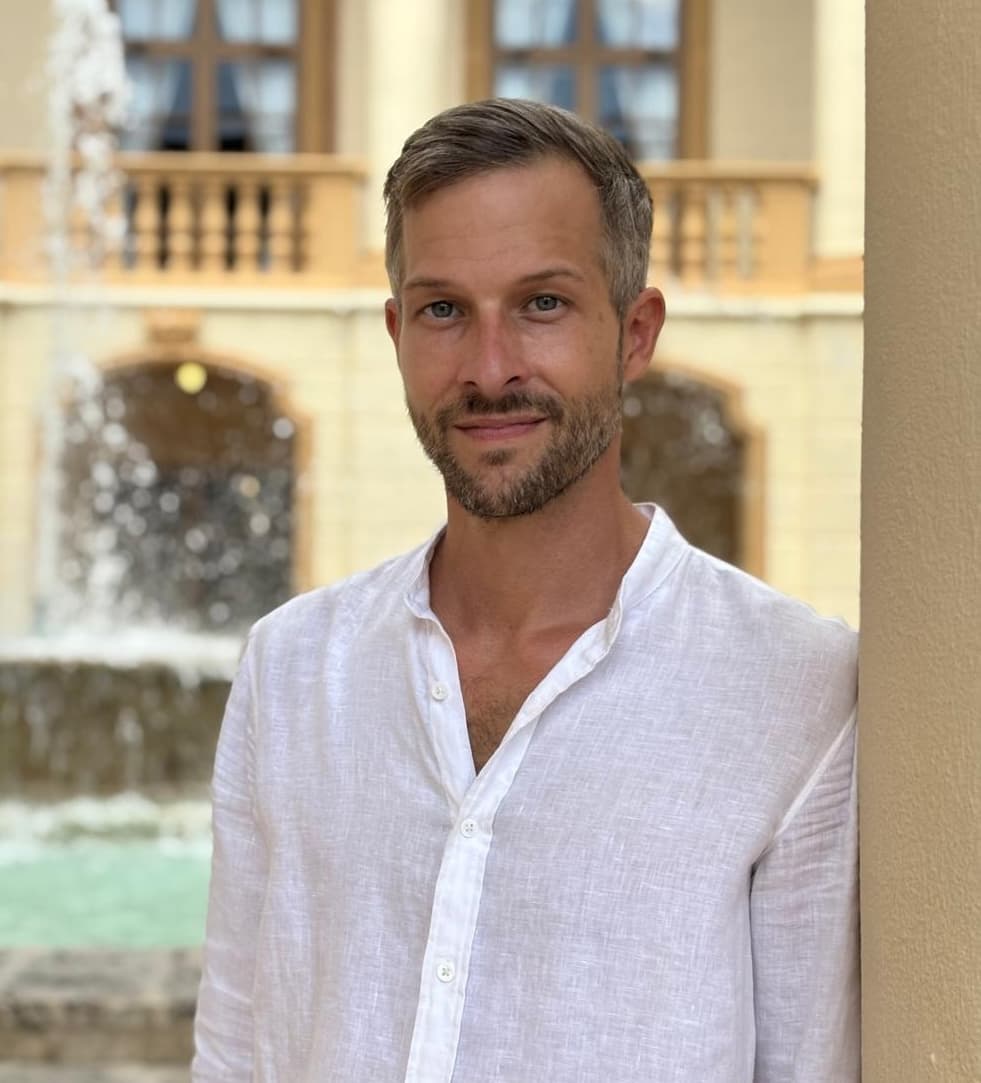
Joe McVeen
Joe McVeenGrowth architecture, offer and pricingEleven years engineering conversion for founder-led companies
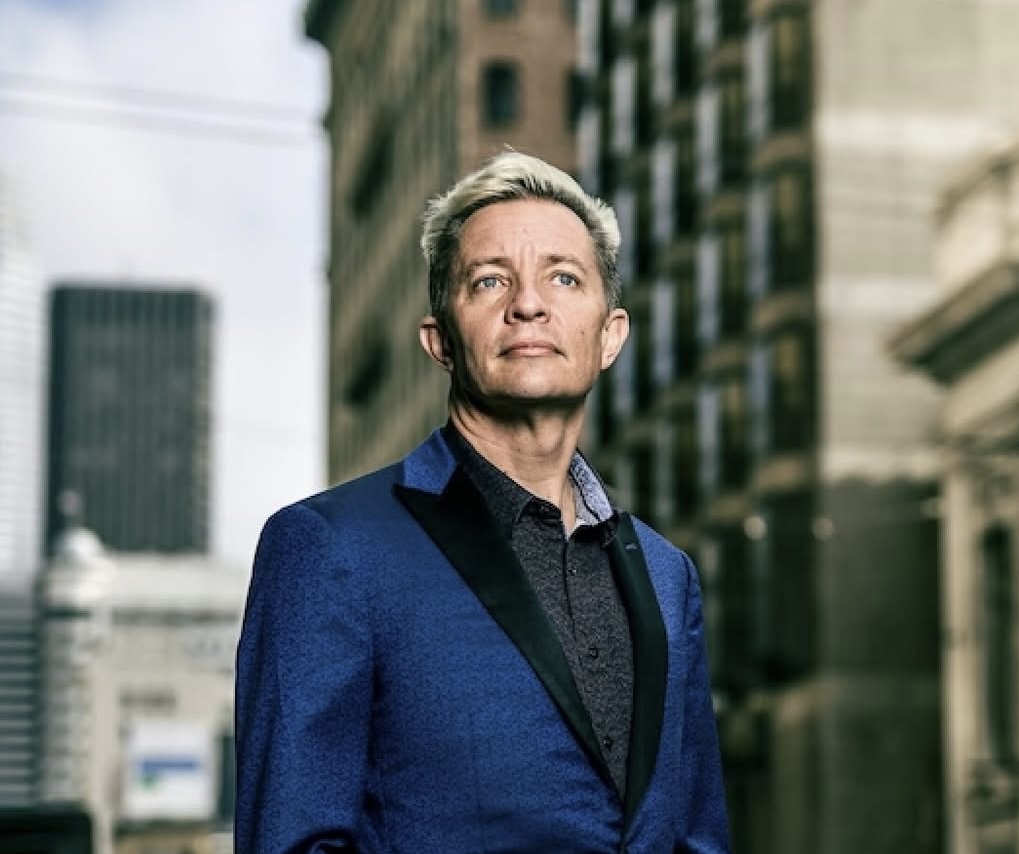
Dmitriy Kozlov
Dmitriy KozlovPositioning and premium brand expressionFounder of Influex, the Inc. 5000 studio behind 240+ brand sites

INTELLIGENCE & OPERATIONS

Governed data and AI, systems integration, technical diligence and the operating rhythm a team will actually adopt.

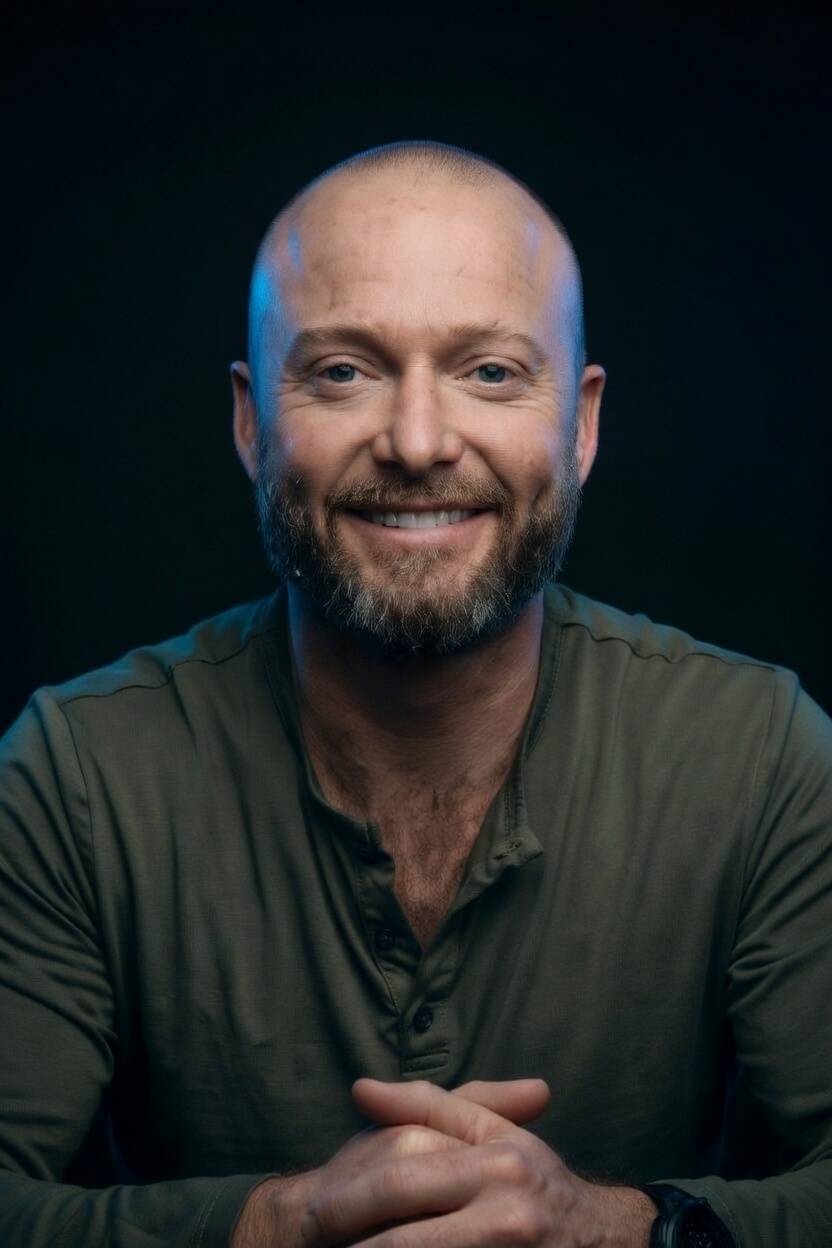
Oliver Blantern
Oliver BlanternGoverned data and knowledge architectureArchitecting enterprise data systems for well over a decade
Dan Lawless
Dan LawlessSystems architecture and investor readinessCo-founder of Light Brands; enterprise cloud architect at Pegasystems
Nick Sullivan
Nick SullivanTechnical diligence and architecture reviewLed ChangeTip until its team was acquired by Airbnb
Mike Bledsoe
Mike BledsoeOperating rhythm and team adoptionNineteen years an operator across eight companies since 2007

FINANCIAL COMMAND & ENTERPRISE VALUE

Unit economics, forecasting, decision-ready reporting, owner alignment and exit readiness.

Andrew Escher, CFA
Andrew Escher, CFAUnit economics and decision-ready reportingCFA charterholder; $300M+ in revenue managed across forty owner-led companies
Ginger Hart, MBA
Ginger Hart, MBAOwner alignment and exit readinessFractional CFO to owner-led businesses and multi-entity groups

Each engagement draws from the bench according to the diagnosed constraint and agreed scope. Not every specialist works on every engagement.

PRIOR WORK ACROSS OUR SENIOR BENCH

  • Influex240+ reported brand and website engagements
  • Light Brands50+ reported digital platforms shipped
  • PalarisInstitutional systems and AI architecture experience
  • Good Deals Advisors$300M+ in revenue managed across forty owner-led companies
  • Nick SullivanLed ChangeTip until its team was acquired by Airbnb
  • Mike BledsoeFounded and ran eight companies since 2007

These examples represent prior work by the named individuals or partner firms. They are not presented as work delivered solely by GrowthMastery.

WHERE THIS GOES

Create more operating value. Preserve more strategic optionality.

A sponsor may want to hold and compound, refinance, recapitalize, raise additional capital, install stronger management, make acquisitions, transfer the company, prepare for sale, or sell. The underlying architecture is the same.

  • Higher-quality revenue
  • Clearer economics
  • Stronger management visibility
  • Lower key-person dependency
  • Better institutional knowledge
  • More reliable reporting
  • More scalable operating systems
  • Greater diligence readiness where relevant

Stronger operating characteristics can increase the strategic options available to the sponsor. No EBITDA expansion, valuation increase, financing or exit is promised.

HONEST FIT

Where a pilot is most likely to produce a measurable operating signal.

A STRONG FIRST PILOT HAS

Validated demand. A material value-creation constraint. Engaged leadership. Accessible systems and data. Economics that can be instrumented. Capacity to adopt the intervention. Strategic relevance to the sponsor.

NOT THE FIRST PILOT

No validated demand. A rescue or crisis situation. A desperate short-term cash need. Leadership not engaged. No meaningful data access. No internal owner. Insufficient implementation capacity. An expectation of guaranteed outcomes.

If an individual company is not ready, we say so before money moves - and we can recommend a better pathway for it during the conversation.

COMMERCIAL EXPECTATIONS

Scoped around the opportunity. Defined in writing.

Partnerships can begin with one portfolio-company pilot or a scoped portfolio-readiness scan. Commercial structures depend on diagnostic depth, deployment scope, implementation complexity, required senior capacity, the number of companies and measurable milestones. Everything is defined through separate written agreement.

WHEN CAPITAL READINESS IS PART OF THE VALUE-CREATION PLAN

Where relevant, the engagement can strengthen financial visibility, scenario planning, reporting and readiness for conversations with qualified capital providers and advisers. GrowthMastery is not a broker, investment bank or registered financial adviser. Financing is never guaranteed.

COMMON QUESTIONS

What portfolio leaders ask before a pilot.

Do we start with one company or portfolio-wide?

Almost always one pilot. A portfolio scan can run alongside it, but a single company where the value at stake is real gives you evidence far faster than a broad rollout.

How do you choose the first pilot?

On material upside, leadership readiness, measurable constraints, internal capacity and strategic relevance. We deliberately do not pick the most distressed company: a rescue is a different job with different odds.

How do you work with our operating partners?

As added capacity, not competition. The operating partner keeps the relationship and the mandate. We take the parts that need embedded execution week to week, and report into the same board rhythm.

How do you work with management?

Through an executive sponsor inside the company, with decision rights written down before we build anything. Management keeps accountability. We do not arrive with a rip-and-replace mandate.

Do you replace existing people, agencies or systems?

Not by default. Strong people and systems that already produce results stay. What usually changes is that they finally share one architecture and one set of numbers.

What happens in the first 100 days?

A focused deployment against the diagnosed constraint. That may be positioning and revenue architecture, conversion and follow-up, the AI and data foundation, a decision-ready scorecard, operating rhythm or financial visibility. It is not everything at once, and we will say what is out of scope.

How is progress reported to the sponsor and board?

In a structure a board can act on: constraint, intervention, owner, metric, baseline, current signal, next decision, and any risk or blocker.

How do you handle AI, permissions and data governance?

Company context is approved before it is used, access is scoped to the systems each company explicitly connects, and no portfolio company can see another’s confidential data. AI prepares and coordinates work. People approve what ships.

How do economics and portfolio terms work?

Partnerships can begin with a single pilot or a scoped portfolio-readiness scan. Commercial structures are defined around scope, complexity, deployment capacity and measurable milestones - in a separate written agreement, never assumed. Equity or upside participation is not standard and is never a condition of working together.

What happens if the company is not ready, or the intervention does not work?

We say so - before money moves where possible, and in plain terms in the reporting when the evidence is not there. We will not guarantee revenue, financing, valuation, margin or an exit. What we commit to is a diagnosed constraint, a defined intervention, an owner, a measurement and an honest report.


YOUR NEXT STEP

Map a Portfolio Value-Creation Pilot.

Tell us about the portfolio and where you see untapped value. We review your answers before the call and spend the session on the candidate company or the portfolio-level view: where the constraint lives, what a pilot would look like, and whether we are the right execution partner. If we are not, we will say so.

45 minutes, free. For private equity, growth equity, venture platforms, family offices, holding companies and independent sponsors.

  1. 1 Pick a time
  2. 2 Your details
  3. 3 Booked

Choose a time that works for you.

Times shown in your timezone

We couldn’t load the calendar. Try again, or email joe@growthmastery.ai and we’ll send you times directly.

Your session
Change time

For your confirmation and session reminders.

Your confirmation email and calendar invite arrive right away.

Please fill in the required fields so we can prepare for your review.

You’re booked.

What happens next

  1. Check your inbox. Your confirmation and reminders are on the way. Your Zoom link is inside, and in the calendar invite above.
  2. We prepare. Joe reviews your answers before the call, so the session starts at the portfolio thesis and the candidate company - not at zero.
  3. The session. 45 minutes. A working conversation about your business, and a straight recommendation either way.
Joe McVeen

“Bring the company where you see meaningful untapped value. We’ll look at the constraint, the evidence, and whether we’re the right execution partner. Looking forward to it.” Joe McVeen

Map a Portfolio Value-Creation Pilot